

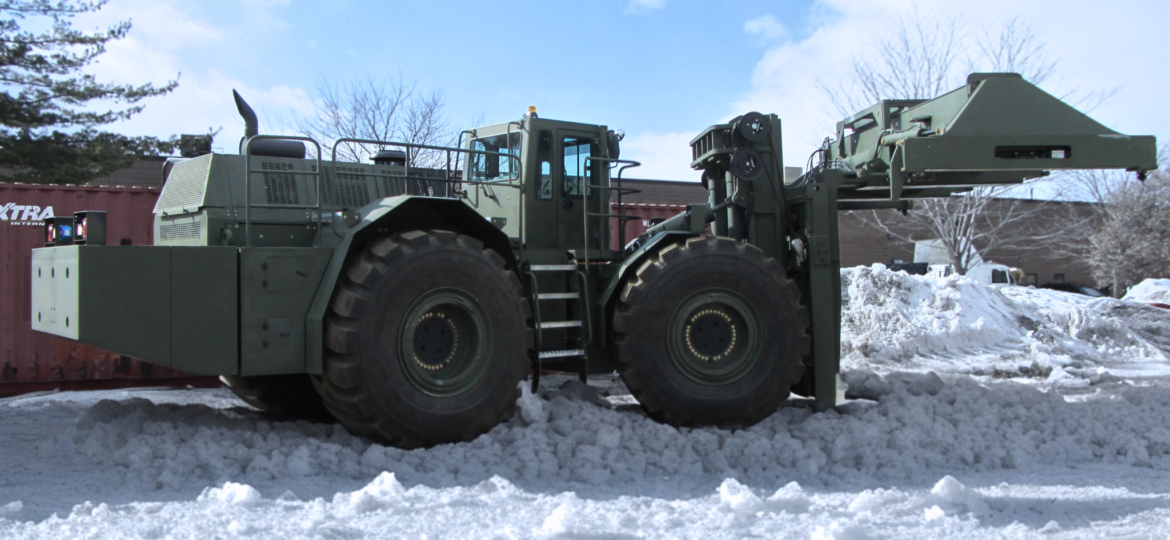
Winterizing Your Forklift Truck for Winter Operations

As arctic air pushes south this winter, ensuring that your Liftking forklift trucks are ready for the harsh environmental conditions is essential to keeping your operations running smoothly. Proper winterization not only protects your investment but also enhances safety and minimizes downtime.
Inspect and Maintain Your Equipment
Before winter sets in, perform a thorough inspection of your forklift trucks. Look for any signs of wear and tear, including:
- Leaking hoses or seals
- Damaged tires
- Worn-out brakes
- Loose or corroded electrical connections
Addressing these issues now can prevent costly repairs during winter when operations during frozen temperatures are more challenging.
Check Fluids and Filters
Cold weather affects the performance of your forklift’s fluids. Ensure that:
- Engine oil is replaced with a winter-grade option to prevent thickening in low temperatures.
- Coolant levels are adequate, and the antifreeze concentration meets winter specifications.
- Hydraulic fluid is appropriate for cold weather to maintain efficiency.
- Fuel filters are clean and water separators are functioning properly to avoid fuel gelling.
Clean and Store Equipment Properly
If you’re storing equipment for the winter:
- Thoroughly clean it to remove dirt, grease, and debris that could cause corrosion.
- Store it in a dry, sheltered area to protect it from snow and ice.
- Use covers to shield exposed components.

Test the Battery
Batteries become vulnerable in freezing cold temperatures. Inspect the battery for corrosion, ensure it is fully charged, and store it in a temperature-controlled environment when not in use.
Prepare the Tires
Cold temperatures can lower tire pressure, affecting traction and safety. Check your tires for proper inflation and tread depth. If the pressure drops in colder weather, refill the tires with dry nitrogen to prevent ice crystals developing and causing damage to the air valves.
Protect the Engine
Warm up the engine before heavy use to avoid damage from sudden temperature changes. If the engine is still frozen, the exhaust or intake valves will likely stick. Consider installing an engine block heater to prevent starting issues in freezing temperatures.
Lubricate Moving Parts
Cold weather can make grease and lubricants less effective. Use winter-grade lubricants to ensure all moving parts, such as lift chains and pivot points, function smoothly.
Trust Liftking for All Your Rough Terrain Forklift Truck Expertise
Proper winterization is key to extending the lifespan of your equipment and maintaining productivity during the cold months. By following these steps, you’ll keep your operations on track and your equipment in optimal condition.
Contact your local Liftking dealer today for available winterization services, supplies, and model specific maintenance information and technical specifications.
Looking for specific parts for your LiftKing Forklift Fork Truck? Visit our parts page here!
